
Key Takeaways
-
The California DUI court process consists of several stages, each with its own procedures, rights, and potential outcomes, making it essential for individuals to understand each phase in detail.
-
Legal representation is crucial throughout, from arrest and arraignment through pretrial and trial to safeguard rights and guide strategy.
-
Information such as blood alcohol content and previous offenses will often influence the severity of your charges and sentencing. Be sure to review these with your attorney.
-
The DMV and criminal courts have distinct proceedings, timelines, and standards of proof that can pose overlapping and hard-to-navigate legal challenges.
-
Well-planned court defense and DMV defense alignment, combined with timely responses to all notices, is required to reduce penalties and retain driving privileges when possible.
-
You can't change what happened, but by getting involved in the legal process, being informed, and seeking skilled legal advice, you can better weather the complexities and lasting impact of a DUI case in California.
The stages of a California DUI court case begin with arrest and booking, followed by arraignment, pretrial motions, trial, and sentencing, if necessary. Every phase has its own set of rules and deadlines, which define the course of the case through the courts. Post-arrest, cops book the driver and press charges against the driver in court. At arraignment, the accused hears the charges and enters a plea. Pretrial motions allow both sides to discuss evidence and strategize their arguments. In a trial, if no agreement is reached, both sides present their evidence, and the judge or jury decides. Sentencing is last if convicted. The following sections separate out each step and what to expect.
The California DUI Court Process
Here are the major steps in a California DUI case, from arrest to potential post-conviction actions. Every step counts, constructing the result and influencing the defendant's path forward. Law enforcement, attorneys, and the court all have parts at every phase, while pauses or hang-ups can occur anywhere.
1. Arrest & Booking
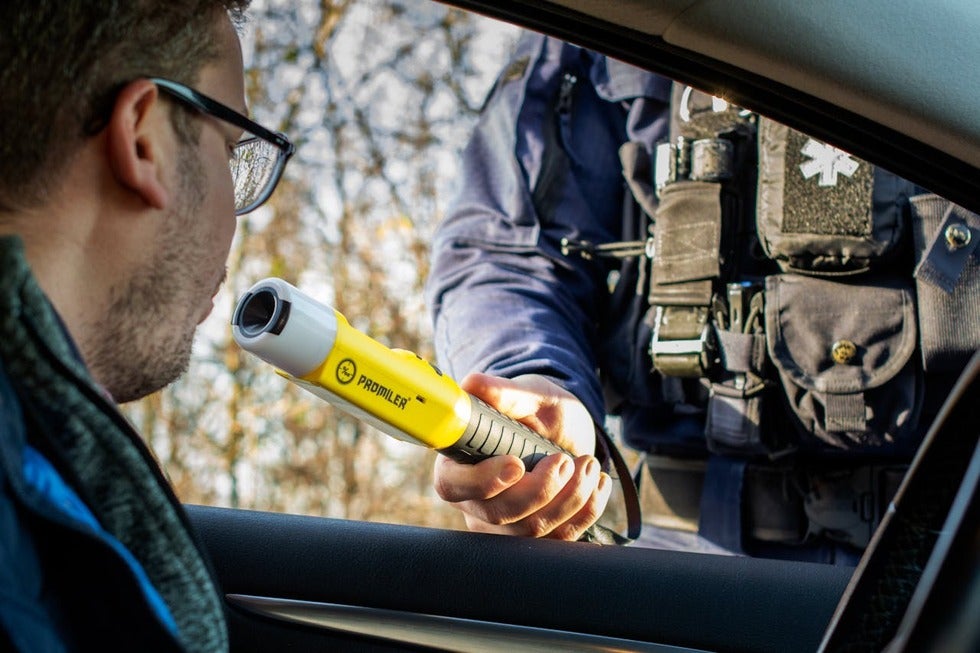
Police can stop a driver for a moving violation, a vehicle defect, or following a collision. Standard procedures follow: the officer checks for signs of alcohol or drug use using field sobriety tests and chemical breath or blood tests. Upon arrest, the driver is booked at a station. Information is entered, fingerprints and photos are taken, and evidence such as test results is documented. At booking, rights are read, including the right to remain silent. Denial of a chemical test attracts two days in jail and a one-year license suspension. Immediate consequences can include losing your license for 30 days unless you appeal with a DMV hearing within 10 days.
2. Arraignment
At arraignment, the defendant appears in court, hears formal DUI charges, and selects a plea: guilty, not guilty, or no contest. The judge could bail or release. This is the point at which the prosecution may extend a plea bargain or offer. The plea directs the lawsuit. A guilty plea or no contest can go rapidly to sentencing, whereas a not guilty plea goes to the next level.
3. Pretrial Phase
In pretrial, the defense looks over police reports and witness statements for weaknesses in the case. Lawyers discuss strategy. They might file motions to suppress evidence if procedures weren't followed or push for dismissal if rights were violated. Defense and prosecution often negotiate with one another, occasionally arriving at plea deals that reduce the charges or penalties.
4. Trial
Trials are infrequent for first offenses. When it does occur, both sides pick a jury and give opening statements. Evidence and witnesses are introduced, including police testimony, breathalyzer results, and any defense evidence. Both sides cross-examine witnesses and make legal arguments. They have a judge who makes sure the rules are observed. The District Attorney has the burden to prove guilt. The defense attacks their case.
5. Sentencing
If guilty or a plea is entered, judges consider things such as previous convictions and the details of the incident. Penalties can include fines, jail, community service, and programs. First-time offenses are typically misdemeanors, but may have jail or even state prison exposure. Appeals could be an option if the sentence seems harsh. Sentencing impacts your driving privileges, future employment opportunities, and more.
6. Post-Conviction
Once convicted, appeals may be possible on the verdict or sentence. If you can meet its terms, in some cases, expungement erases the offense from the record. Completing any court-ordered programs and adhering to any limits is necessary to avoid additional punishment. The ripples of a conviction persist—insurance prices, job opportunities, and even travel can be altered.
Your Rights At Arraignment
At the arraignment, they all encounter explicit legal procedures. The judge must inform you of your rights and the charge. You have the right to remain silent, the right to a speedy trial, and the right to an attorney. If you can't afford one, a public defender is appointed gratis. You have a right to a jury trial, to call witnesses, and to confront anyone who testifies against you. If you don't speak English, the court will provide an interpreter free of charge. These rights are there to maintain the process equitable and transparent, regardless of your status or wealth.
The Plea
You need to decide your plea at arraignment. Most folks choose guilty, not guilty, or no contest. This decision is crucial. Pleading guilty signifies that you admit to the charges and proceed directly to sentencing, potentially including incarceration, fines, or other punishments depending on your situation. A no contest plea, or ‘nolo contendere,' means you don't fight the charges but don't admit guilt either. Occasionally, this can prevent a civil action, so consult your attorney first.
If you plead not guilty, your case goes to trial. Understand that by pleading any plea, you could be relinquishing rights such as a trial or the ability to contest evidence. Always ask your lawyer what you are surrendering before you decide.
Your Counsel
Having an attorney isn't just useful; it's essential. A DUI case is rife with confusing regulations, laws, and dangers. Choose an attorney who is well-versed in DUI law. If you can't pay, the court gives you a public defender. Be candid with your lawyer, tell them everything, and trust their counsel. Your attorney will navigate court procedures, describe each phase, and assist you in making optimal decisions. Stay in touch with them and be prepared.
Bail Review
Bail is about whether you remain incarcerated or are released to your home while your case is ongoing. If the bail is excessive, you can request a bail hearing and have the judge reconsider. Judges consider a lot of factors, such as your community, job, and family ties, and whether you have previously missed court. Demonstrate that you will obey conditions if released. Having your lawyer at this hearing may help tip the balance in your favor.
Pretrial Negotiations In California DUI Cases
Pretrial negotiations are a crucial piece of the puzzle in a California DUI case. Pretrial negotiations involve working closely with your attorney early on, as these negotiations can determine if charges are reduced, evidence is contested, or if the case is settled without trial. Negotiations can start shortly after arraignment, the initial court hearing, where you are formally charged. Grasping how every step functions helps you comprehend your options, from battling for a dismissal to considering a plea deal such as a “wet reckless” under 23103.5 VC, which can bear fewer long-term consequences than a typical DUI conviction.
Discovery
Reviewing the prosecution's evidence is an important first step. Your attorney will attempt to gain access to all police reports, breathalyzer results, video footage, and witnesses. Sometimes, they don't give it all up at first, so you have to ask for more documents or information to make sure you've got a complete picture.
Examining the evidence is more than perusing reports. Their defense will seek any holes in witness statements or the process by which you were arrested. For instance, if a police officer's report disputes dashcam footage, it can undermine the prosecution.
Developing a strategy based on what discovery reveals to you is key. If vulnerabilities are discovered, your attorney can use them to bargain for a reduction, dismissal, or stake in additional motions.
Legal Motions
One thoughtful legal motion can shift the case's momentum. For instance, lawyers may move to suppress evidence that was obtained unlawfully, such as a breath test administered without cause. If successful, suppressed evidence cannot be introduced in court, and this can lead to the dropping of charges.
Motions can attack the sufficiency of the case. If there are egregious procedural errors, like missteps in the arrest, your lawyer may pursue outright dismissal of the case. Other motions seek to define legal issues ahead of trial, ensuring that all parties understand what evidence and arguments are permitted.
Plea Bargaining
Pleading out is usually the only realistic alternative. Your lawyer might be able to plead down the DUI to a less serious offense, such as a “wet reckless,” which in turn can result in reduced sentences and less damage to your record.
Knowing the advantages and disadvantages. A plea means no trial, though you have to plead to a lesser offense. Turning it down can be more dangerous since trial carries the risk of harsher punishment if you're convicted.
Listen to your lawyer. They will assist you in balancing risk and reward, using their expertise and familiarity with the case specifics.
The Trial Decision
The trial decision underlies the result of a California DUI court case, establishing the trajectory towards a guilty or not guilty outcome. Here, the court—judge or jury takes all the evidence and the points and makes the decision. The prosecution offers both prosecution and defense their day in court. The prosecution attempts to establish that the defendant was intoxicated, typically with the aid of a chemical test or field sobriety test records, and the defense seeks to demonstrate gaps in the evidence or police conduct.
Occasionally, a “Pitchess” hearing will occur before trial, which permits the defense to investigate the arresting officer's complaint history, information that may impact the trial's course. Defendants might have to consider the option of testifying themselves, a risky but potentially rewarding tactic. The stakes are high: a DUI conviction may mean fines, jail time, or loss of driving privileges. Whether to have a jury or bench trial and how to prepare for either requires deliberation and planning with your lawyer.
Jury Trial
A jury trial signifies that a peer group will determine the fate of the matter. Choosing jurors is where both sides attempt to make sure the panel is impartial. This is key because any prejudice could influence the decision. Both defense and prosecution question jurors to discover if they can remain impartial. After selection, the jury hears arguments and evidence. Each side aims to distill facts about field sobriety so the jury understands the essence. Closing arguments frequently stress contradictions in the prosecution's narrative or skepticism about chemical analysis.
Following arguments, the jury retires to private discussions, called deliberations, where they examine evidence and strive toward a unanimous verdict. This can be a tense and protracted period. The public aspects of jury trials can add emotional strain for the defendant, as community members can attend and news media can follow the case.
Bench Trial
A bench trial bypasses the jury and leaves the decision completely up to the judge. The process is more direct, with fewer postponements, and the judge evaluates all evidence by legal criteria. This path may fit scenarios that are dependent on technical legal arguments or have complicated evidence.
The defense should address its case directly to the judge, emphasizing legal points and evidence admissibility. The judge is a lawyer, so arguments about police conduct or the reliability of chemical tests tend to get more play. The judge determines guilt and, in the case of a conviction, sentences too. This can be less emotionally fraught since you have less public pressure.
Potential Outcomes
When facing a DUI case in California, the potential outcomes can vary greatly depending on the evidence, legal arguments, and court decisions. Understanding these possibilities prepares defendants for what lies ahead, from the relief of acquittal to the challenges of conviction, dismissal, or even a retrial after a hung jury.
Acquittal: The court finds the defendant not guilty. The defendant is acquitted, and no judgments ensue.
Conviction: The court finds the defendant guilty. This could lead to fines, incarceration, and license suspension.
Hung Jury: The jury cannot agree on a verdict. The prosecutor can retry it.
Dismissal: The judge may dismiss charges if legal errors surface or if evidence is excluded.
Both outcomes have long-term consequences. A conviction could impact travel, employment, or insurance. If convicted, avenues such as appeals or petitioning for post-conviction relief might be available and need swift action and legal counsel. Consulting an attorney about risks and next steps simplifies planning, particularly if it does not go your way.
Factors Influencing Your Case
Several key factors can play a big role in how your DUI case in California turns out. The table below shows important elements that can impact the charges you face, the penalties you might receive, and ways you could defend yourself.
|
Factor |
Legal Impact |
Example |
|
BAC Level |
Higher fines and possible license suspension |
A BAC over 0.08% can lead to increased penalties |
|
Prior Offenses |
Harsher penalties and possible jail time |
A second DUI within 10 years raises jail time risks |
|
Aggravating Factors |
Longer sentences and potential felony charges |
An accident causing injury may result in felony charges |
|
Test Validity |
Possible case dismissal or reduced charges |
Faulty testing equipment can weaken the evidence |
|
Checkpoint Lawfulness |
The case can be dismissed if the proper procedures weren't followed |
Illegal stops can make charges invalid |
BAC Level
California has established a legal BAC limit of 0.08% for most drivers. There are stricter limits for commercial drivers or those under 21. Legal penalties rise as BAC passes these thresholds, impacting fines and diversion program eligibility. Even a BAC slightly above can lead to losing your license and increased insurance rates. A BAC significantly higher than 0.08% can result in increased fines and may even lead to mandatory jail time or longer license suspension.
It is often possible to challenge BAC test results, particularly if non-standardized field sobriety tests were administered or environmental factors such as poor lighting were present. This could include evidence such as medical conditions or improper calibration of testing devices. You would be smart to collaborate with an attorney to investigate any possible defenses to BAC precision.
Prior Offenses
Prior DUIs within ten years significantly increase minimum and maximum penalties for a new conviction. Repeat offenders receive extended jail sentences, mandatory ignition interlock devices, and increased fines. If your record reflects several prior convictions, the prosecution is probably going to pursue enhanced sentencing, and plea deal options may be minimal.
Preparing to address this history in court. Defendants should collect documentation and be ready to put the circumstances of prior convictions into context. An experienced attorney can, in some cases, negotiate for a reduction to ‘wet reckless' if the situation allows, which minimizes the effect on the defendant's record.
Aggravating Factors
Some facts can factor you up a notch, like causing an accident or having a minor in the car, or a BAC way over the limit. Any of these can push a misdemeanor DUI into a felony, with additional jail time and fines. If an accident causes an injury, the prosecution might file additional charges. This depends on when injury reports and any workers' comp claims arise.
Mitigating evidence, like safe driving records or ‘environmental' issues with sobriety tests, can aid in lessening penalties. Your attorney can help build a case to counteract aggravating factors and negotiate better outcomes.

The Two Legal Tracks Of A California DUI
A DUI arrest in California sets off two separate and often overlapping legal tracks: the Department of Motor Vehicles (DMV) administrative process and the criminal court prosecution. Each has its own rules, timelines, and impact. For my international audience, the DMV is a state agency that manages driving privileges, and the criminal court deals with lawbreakers. They don't intersect, and the results can vary. Here are the key differences, summarized in the table below.
|
Aspect |
DMV Hearing |
Criminal Court Case |
|
Standard of Proof |
Preponderance of evidence |
Beyond a reasonable doubt |
|
Focus |
Driving privileges |
Criminal liability |
|
Decision-makers |
DMV hearing officer |
Judge or jury |
|
Penalties |
License suspension/revocation |
Fines, jail, license, probation |
|
Timelines |
10 days to request, quick hearing |
May take months |
Separate Proceedings
When charged with a DUI, you are battling both a DMV administrative hearing and a criminal case. The DMV is concerned with holding onto your license, while the court is focused on whether you violated the law. Both can cause license loss, yet each has its own procedure.
The DMV hearing must be requested within 10 calendar days after arrest. If not, your license is suspended regardless of the court result. These two operate on separate tracks and can reach different conclusions even from identical facts. For instance, you may prevail at your DMV hearing and maintain your license for a period of time, but ultimately lose it back to the court if you are convicted. Penalties from both tracks commonly overlap. They typically involve fines, jail time, and license suspensions all at the same time.
Conflicting Timelines
The court and DMV make their own schedules. DMV hearings are generally quick, taking a few weeks, while court cases can take months. You could lose your license from the DMV before your court case is even heard.
Immediate attention to DMV and court notification is crucial. When you miss a DMV deadline, it can mean automatic suspension. Hold-ups in either track can keep you license-less for an extended period. It's wise to coordinate with your attorney to keep both cases moving and prevent surprises.
Strategic Alignment
Crafting a defense that serves for both the DMV and the court. What you say or do to one can impact the other. If you blow off a chem test when you're arrested, you receive a one-year suspension, even if your court case ends up great.
Your attorney needs to help you get your arguments straight for both cases. Keeping up with both processes allows you to make smarter decisions as things evolve. This strategy will minimize fines and extend your driving privileges.
Conclusion
To recap the stages of a California DUI court case, each step has its own moves and decisions. It begins with an arraignment, where you're read the charges and enter your plea. Next, the pretrial talks can set the tenor of your case, sometimes resulting in bargains or reductions of charges. If negotiations falter, the trial will test your defense before a judge or jury. Along the way, the DMV has its own process, which can impact your driving privileges. Each stage requires sharp thinking and a firm understanding of your rights.
Frequently Asked Questions
1. What Are The Main Stages Of A California DUI Court Case?
The primary phases are arrest, arraignment, pretrial bargaining, trial choice, and sentencing. Each stage has its own rights and procedures to safeguard you.
2. What Happens At A DUI Arraignment In California?
At arraignment, you are formally charged. You hear your rights, plea, and options. This is where legal advice is crucial.
3. Can I Negotiate Before My DUI Trial In California?
Yes, there are usually pretrial negotiations. Your lawyer might talk to the prosecutor about plea deals or lesser charges, which could be a big help to your case.
4. What Factors Can Affect The Outcome Of My DUI Case?
It depends on your blood alcohol level, previous offenses, the quality of the evidence, and your attorney's skill. Nothing is too small in a court decision.
5. Is The DMV Hearing Different From The Court Case?
Yes, the DMV does license suspension separately from the court. Request a DMV hearing within 10 days of arrest and contest the suspension.
6. Do I Have The Right To A Lawyer In A California DUI Case?
Of course, you have the right to an attorney at all stages. An attorney can defend your rights and guide you through the stages.
7. What Should I Do If I Am Arrested For DUI In California?
Keep cool, understand your rights, and demand an attorney. Don't answer questions without an attorney. Request a DMV hearing immediately to save your license.
------------------------------------------------
Understanding The Court Process And Penalties In California DUI Cases
A DUI charge in California can feel overwhelming, and the legal process that follows is often complex and intimidating. From your first court appearance to sentencing, every step carries consequences that can impact your license, your finances, and even your freedom.
At Gorelick Law, we help clients navigate the DUI court process with clarity and confidence. Our team explains what to expect at each stage, from arraignment to trial, and fights to reduce or eliminate the penalties you face. California DUI convictions can result in fines, license suspension, mandatory DUI programs, probation, or even jail time—but with the right defense, the outcome can be very different.
You don't have to go through this alone. Visit Gorelick Law today to learn how we can defend your rights, guide you through the court system, and work to minimize the penalties against you. Call us for a free consultation and put an experienced advocate on your side. Your future is worth protecting—let us help you fight for it.


Comments
There are no comments for this post. Be the first and Add your Comment below.
Leave a Comment