
Immediately following a California DUI arrest, police bring the driver back to the station for booking and possibly hold him or her for a few hours. The officer generally confiscates the individual's license and issues a pink temporary one. The police report is filed and forwarded to the prosecutor who determines whether or not to pursue formal DUI charges. Meanwhile, the DMV initiates its own process regarding whether to suspend the license. You have just ten days to request a DMV hearing to challenge the suspension. They all have hard deadlines and meaningful consequences for driving privileges. The following sections outline what to expect and key actions to remember.
Key Takeaways
-
After a DUI arrest in California, individuals will experience an immediate sequence of events including the traffic stop, booking, chemical testing, and release. All of these events have procedural and legal importance.
-
Arrested individuals must address two separate legal matters: an administrative hearing with the Department of Motor Vehicles (DMV) regarding driving privileges and a criminal court case, each with distinct consequences and processes.
-
You have 10 days to request a DMV hearing or your privileges will be automatically suspended.
-
MILWAUKEE, WI: On Friday evening, a man was having his first beer on the way home from his brother's funeral when he was pulled over with a blood alcohol concentration of 0.079%.
-
Outside of legal consequences, a DUI arrest can impact professional licenses, relationships, and mental health, underscoring the wider implications beyond the legal realm.
-
Save evidence, save all details, and find good legal counsel fast if you want to have a shot at a good outcome and protect your rights.
The California DUI Arrest Process
A DUI arrest in California triggers two proceedings: a criminal case and a DMV action. Each route affects major rights and punishments, so knowing the process is critical for any defendant.
The Traffic Stop
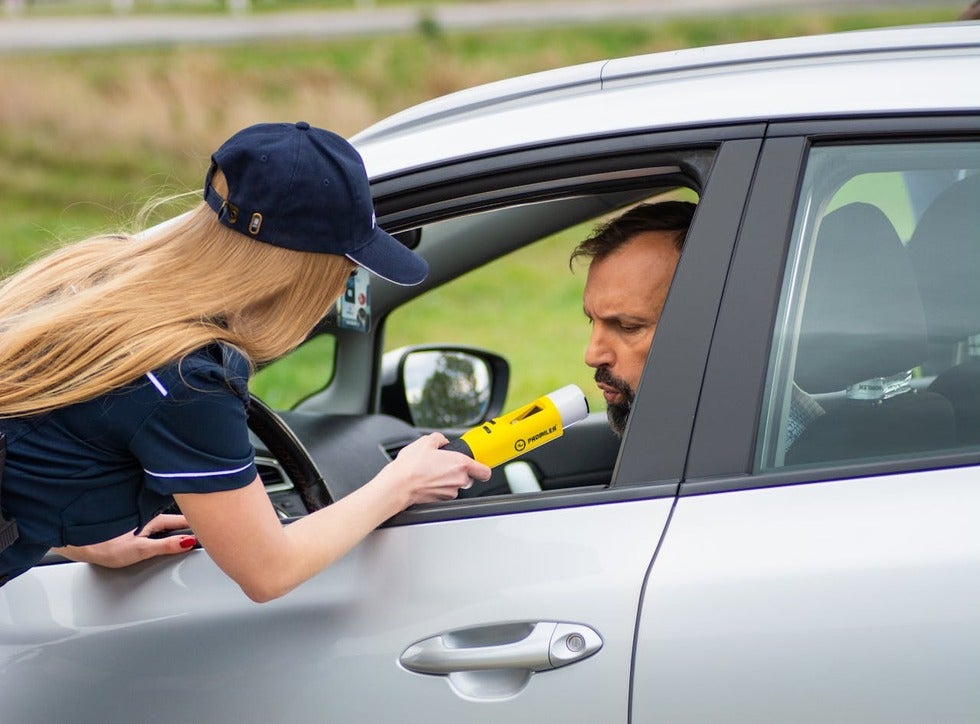
They can pull people over for erratic driving, small infractions or at sobriety checkpoints. Officers look for behavioral, speech, and physical indicators of alcohol or drug use. Field sobriety tests, such as standing on one leg, walking heel-to-toe, or following a pencil with your eyes, assist the officer in determining whether or not probable cause exists for an arrest. You can refuse, but usually that means you're getting arrested anyway because of implied consent.
The Booking
Once you are arrested, you're transported to a police station or jail for booking. They note your personal information, take your prints and photograph you. Your driver's license is typically suspended at this point, and a temporary license is provided that lasts for thirty days. This step initiates the DMV's administrative process, distinct from the criminal charge, and primes the wheels in motion for license suspension even if you don't get convicted in court.
The Chemical Test
You are required to take a breath, blood, or rarely, urine test to determine blood alcohol concentration (BAC). Refusing the test will cause a one-year license suspension for first offenders or longer for repeat offenders. If you're under 21, a BAC of just 0.01% triggers a one-year suspension. These results provide pivotal evidence for both DMV and criminal proceedings.
The Release
Release according to custody type. Few get cited and let go with a promise to appear in court. Others might have to post bail or wait for a sober adult. The criminal court case starts with this release, and the DMV case moves forward, too. Both can cause additional consequences, from a four-month driver's license suspension for a first-time offense to fines as high as $2,000 and DUI school for limited driving privileges.
The Vehicle
Your car is typically impounded following a DUI arrest. Picking it up involves paying fees and proving ownership. Your car could be impounded for a few days, increasing the financial burden. Impoundment is distinct from license penalties but prevalent in DUI cases.
Your Two Legal Battles
A DUI arrest in California means you have two legal battles. One with the DMV and the other in criminal court. Each gets off to a fast start and calls for snap decisions. Few people are aware of this split procedure, which can make those immediate post-arrest days even more confusing.
The DMV Case
The DMV clock starts ticking the moment you're arrested, not weeks after. The officer confiscates your driver's license and hands you a pink slip—this is your interim license, which is good for 30 days. You have just 10 days to request a hearing with the DMV. If you miss this window, your license is suspended automatically. This is an administrative initiative, distinct from its in-court proceedings. The DMV hearing is less formal than a court trial. Whether your BAC was 0.08 or higher or if you refused a test is important. For a first-time offense, the regular license suspension is four months, although you can usually obtain a restricted license after 30 days by attending a DUI program and providing insurance. Second offenders get much longer suspensions—sometimes a year or more—and might have to install an ignition interlock device to stop your car from starting if you're found with alcohol on your breath. In certain instances, particularly in cities like Los Angeles, a DUI suspension can be extended up to three years for individuals with previous offenses.
The Criminal Case
Your two courtroom battles: The criminal case takes care of guilt, punishment, and your record. It begins with an arraignment, typically within a couple of weeks of the arrest. You have to go before a judge, and the charges are read. You can plead guilty, not guilty, or no contest. They will provide evidence, whether it be breathalyzer or blood test results, and the validity of the traffic stop may be contested. For instance, if the arresting officer lacked probable cause, some evidence could be excluded. Fines, probation, and DUI school are possible penalties for a first conviction. Your Two DUIs Then there's the fact that a DUI remains on your record for ten years, meaning that any subsequent offenses within that time frame are punished more severely. It can put you in jail, give you community service, or even require that you install an ignition interlock device. They are harsher for repeat offenders, and the criminal court's ruling can affect the DMV, making it even more convoluted.
The Critical 10-Day Deadline
Following a California DUI arrest, those initial days are anything but downtime. The law opens up a 10-day window if you want to keep your driving license. It runs from the arrest and is not negotiable. The most important step is a hearing request with your local DMV to fight the license suspension. This isn't a court hearing. It's a special administrative procedure that only applies to driving rights, not criminal prosecutions. You have 10 calendar days to submit your request; weekends and holidays are included. If you miss this step, the DMV suspends your license automatically 31 days after the arrest.
The request may include a ‘stay of suspension' whereby the license remains in effect until the hearing is complete and a determination is made. This stay is crucial because it provides time to arrange a defense and continue pursuing work, school, or everyday necessities. Without this task, you have no way to stop the suspension. For instance, a daily commuter risks their job if they lose their license. This can impact not only work but household responsibilities and everyday errands such as grocery shopping or school drop-offs.
Missing this 10-day deadline is fate sealed in nearly every instance. The law is rigid and permits a tardy application only if there is genuine evidence that the individual was unable to act within the period due to exceptional or unusual circumstances. This is difficult to demonstrate and seldom embraced. No appeals, no second chance. The 10-day rule is a “make it or break it” opportunity to maintain your license. It's not just an arbitrary deadline. It's the step that determines if a driver retains that freedom or loses it for months or more.
Understanding Your Immediate Rights
Your rights after a DUI arrest in California are a protection against abuse and ensure you receive due process. These rights stem from both the U.S. Constitution and state law. They encompass your dealings with the police, what you need to do, and what you can say no to at the point of cuffing. Knowing this can be the difference in your case.
Right to Counsel
You're entitled to speak with an attorney the moment you're arrested. This is your non-negotiable right the moment authorities detain you and start interrogating. They have to stop if you ask for a lawyer. This is so you don't say anything that could damage your defense. Understand your rights right away. For example, once you're arrested, if cops begin inquiring about where you were drinking, you're permitted to request a lawyer and decline to answer further.
What most don't know is that invoking this right is as easy as saying, “I want a lawyer.” That's at the police station, at booking and anytime police attempt to talk about your case's facts. In concrete terms, a lawyer can assist you through tricky matters, such as if you should submit to a chemical test under California's ‘implied consent' law. A lack of understanding could lead to more stringent punishments like a longer license suspension.
Right to Silence
You don't have to answer questions about what you drank, where you were, or how much you had. The 5th Amendment protects you against self-incrimination. Silence is not a sign of guilt. This safeguard is vital, as your words post-arrest could be offered as evidence at trial. For instance, if you confess to just two beers, prosecutors may use that admission against you.
You don't have to try field sobriety tests, like walking in a straight line or touching your nose. It is your immediate prerogative to refuse these. You have to submit to chemical tests if lawfully arrested, like a breath or blood test, due to “implied consent.” Refusing can equal automatic suspension of your license.
‘Know your immediate rights' – After an arrest, you will probably be transported to a police station or jail. You could be detained until you bail out or OR out. You're entitled to a 30-day temporary license, but you have to ask for a hearing within 10 days or you'll be driving without a license for much longer.
The Unseen Consequences
Following a DUI arrest in California, things move swiftly, frequently in manners that extend past the criminal matter itself. A DUI can impact many aspects of life, from your job and licenses to your relationships and emotional health. These consequences can linger far longer than the court process.
Professional Licenses
A lot of work demands a tidy slate. A DUI can put that in jeopardy. Nurses, teachers, engineers, or anyone with a professional license might encounter additional examination. Licensing boards sometimes inquire about any arrests or convictions, and a DUI can trigger a slow and expensive review process. Other areas such as medicine and driving could even temporarily halt or remove licenses entirely. That can keep you out of work longer or disqualify you for some work. For those under 21, harsher fines can imply losing a license before one's career even starts. Employers conduct background checks, and a DUI can restrict your career opportunities, particularly for positions that require a great deal of trust or responsibility.
Personal Relationships
A DUI arrest seldom remains discrete. News can travel quickly in family, among friends, or even among co-workers, which can cause frayed connections and trust problems. They and their loved ones may fret about future safety or feel disappointed by the arrest. Other times, partners or spouses can experience additional financial strain if the arrested individual has to cover fines or legal fees or loses their employment. Sometimes, parents lose child custody or visitation rights over a DUI record. The effect isn't always immediate but can cascade through birthday parties, friends, or even entire social circles.
Mental Health
As we all know, the stress of a DUI arrest can crush anyone. The combination of court dates, public records, and potential loss of employment can do the same. Some of us might even feel shame or guilt, particularly if those around us are impacted. It's normal to fret about the future or feel alone. For recidivists or inmates, that anxiety around loss of liberty may further exacerbate mental health issues. Community service, DUI school, and court fees just pile on and can make it more difficult to manage.
What Should You Do Now?
A DUI arrest in California has quick and severe consequences. You've got to move quickly and carefully. The initial hours and days following an arrest define the entire process. It's what you do next that decides whether you pay a harsher penalty or manage the damage.
Preserve Evidence
Preserve any physical evidence or digital record or paperwork associated with the arrest. That may be things like receipts that place you at certain locations and make certain purchases, texts or phone logs, and photos from the scene. Request copies of any police or incident reports as these tend to include information potentially useful to your case down the road. If you have witnesses, note down their contact details immediately. Every now and then, little things like road conditions and timing of the police stop can matter. Did you have any injuries or was your vehicle damaged? Take photos immediately. Often, proof dissipates or becomes difficult to obtain after just days. Saving it early gives your lawyers a chance to construct a better case and contest any holes or mistakes in the formal record.
Document Everything
Begin a diary of everything surrounding the arrest. Write down when and where you stopped and what you did right before and right after in a timeline. Record all interactions with the police, what you said and how they documented it. Save any paperwork they give you, like the pink temporary license from the cop. Note down officer names and badge numbers. If you remember any witness statements, include those too. Write down any health problems or injuries you suffered and keep receipts for medical treatment. This log assists you and your attorney in identifying any discrepancies or omissions in the police reports.
The DMV process is deadline-driven. You get a pink slip and you've got 10 days to ask for a hearing to maintain your license. Miss this window and you're automatically suspended. You can drive for 30 days after the arrest with the temporary license if you do not have any other suspensions. Every bit of paper will count if your driving privilege is at stake.
Seek Counsel
Reach out to an experienced DUI lawyer immediately. Don't attempt to navigate the process yourself or trust friends' recommendations. Attorneys know how to navigate labyrinthine local statutes and shepherd you through hearings and court dates. They can assist in reducing fines, safeguarding your rights, and putting your circumstances in the most favorable light. Lawyers know the lifetime consequences—a DUI can mean higher insurance payments, a lifelong criminal record, and issues getting jobs or schools down the line. They know how to fight evidence and get you the best possible result, whether it's negotiating for reduced charges or fighting license suspension.
Conclusion
Here's what happens right after a DUI arrest in California. The police department takes over and you get a court date. That's when the DMV gets involved, and you've got only ten days to respond if you want to hang on to your license. Fines, costs, and court steps accumulate quickly. The law affords you rights, but you have to exercise them immediately. A DUI is no mere citation. It can alter your career, finances, and lifestyle. Every decision matters. Discover real guidance and concise counsel. Keep up with every deadline. Get trusted assistance. For additional tips, updates, and true stories, subscribe to our blog. Let's confront the tech and legal labyrinth together.
Frequently Asked Questions
1. What happens right after a DUI arrest in California?
They can take you to jail, take your fingerprints and your photo. Your driver's license is typically seized and a temporary license is provided.
2. Will I lose my license immediately after a DUI arrest in California?
You could get a notice of suspension and a temporary license. It can start right away unless you request a DMV hearing within 10 days.
3. What are the two legal processes after a California DUI arrest?
You have both a criminal court case and a separate DMV administrative process. Both can impact your driving record and driving privileges.
4. How long do I have to act after a DUI arrest in California?
Within 10 days, you need to request a DMV hearing to fight your license suspension. Failure to provide this information on time can result in automatic suspension.
5. What rights do I have immediately after a DUI arrest?
You have the right to an attorney and you have the right to remain silent. You should be advised of these rights by the police.
6. What are some immediate consequences of a DUI arrest?
May get license suspension, court dates, fines, and jail time. Insurance rates may increase, too.
7. Should I contact a lawyer after a DUI arrest in California?
It is highly recommended to contact a DUI attorney at the earliest opportunity. Lawyer advice can assist in defending your privileges and lead you through the procedure.
What Really Happens After a DUI Arrest in Alameda & Contra Costa Counties (And How to Protect Yourself)
A DUI arrest in Alameda or Contra Costa County can turn your life upside down fast. From the moment you're pulled over, everything moves quickly, booking procedures start, and the question of jail release, bail, and what happens next becomes very real. Your license, your record, and your future are all on the line, and the decisions you make in the first 24 to 72 hours can shape the outcome of your case.
At Gorelick Law, we understand how overwhelming this process feels, especially when you're trying to figure out what's happening while you're in custody or trying to get a loved one released. Our team has spent decades defending people facing DUI charges and guiding clients through the full process, including local arrest procedures, booking, bail and jail release timelines, court deadlines, DMV hearings, chemical testing issues, and rights violations.
You don't have to navigate this alone. Visit Gorelick Law to learn how we can protect your rights from day one, challenge the evidence, and help you move through the Alameda and Contra Costa County DUI system with clarity and confidence. Call for a free consultation and get a dedicated advocate in your corner. Your future is worth protecting, and we're ready to fight for you.

